
Jump to Tutor
- Annette Meldrum – Borris Lace Sampler
- Vicki Taylor & Megan Robinson – Looping and Lacing
- Maureen Goffroy – Point Ground Lace
- Jenny Brandis – Lace8 – a Designer’s Friend
- Zanna Antonova – Russian Lace
- Rosita D’Ercoli – Goritian Flowers and Leaves
Annette Meldrum
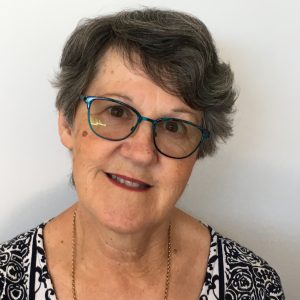
Lifelong embroiderer, then I discovered Needlelace, which became my passion! I have attempted most forms of needlelace but have a special love for Borris Lace and Irish needlelaces generally.
In 2010 I co-wrote The Borris Lace Collection with Marie Laurie. In 2013 my Borris lace handbag won 3rd prize in The Kenmare International Lace Competition in Ireland.
I completed the Commercial Needlework Certificate at TAFE, an Arts Degree by correspondence, and worked as a Research Librarian at Wollongong University.
I am an Accredited Tutor with the Embroiderers’ Guild NSW and have taught needlelace and embroidery since 1988.
Collecting and researching lace and embroidery has taken me around the world. My textile collection includes pieces dating from the 1600s and often inspires new work.
Borris Lace Sampler
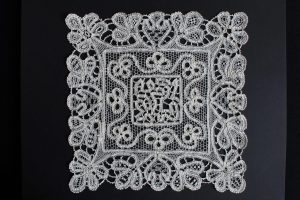
The sampler includes all three styles of Borris lace and most stitches in one project (24 cm square). The centre features the ‘crag’ style, the inner border shamrocks on net ground, and the outer border traditional filling stitches.
A full kit will be provided and includes pattern, thread, tape, needles and notes. Cost is $35.
Vicki Taylor & Megan Robinson
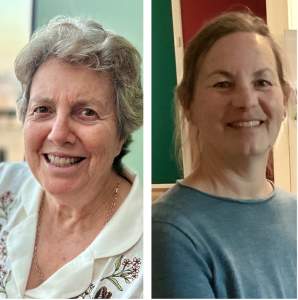
Megan and I have been lace making together for quite some time and love experimenting with bobbin and needle lace techniques to create contemporary work.
We introduce techniques suitable for jewellery, vessels, and sculptural forms using wire and thread, encouraging playful exploration and finished outcomes.
Looping and Lacing
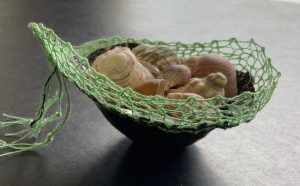
Students will create a small vessel or disc and design a decorative lace edge using wire or thread. Bobbin lace and needlelace techniques will be used.
Maureen Goffroy
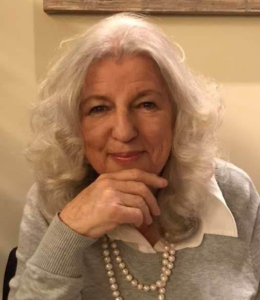
My love of lace began in 1993 when I discovered a Bucks Point pattern book in the library. I wrapped pencils with wool to make bobbins and stacked towels to make a pillow — and my lifelong love of lace began.
I have worked many styles but always return to Point Ground lace. I taught a class of special needs boys to make lace, which was praised by the school psychologist as excellent for their development.
Our Lacecargot group began in 1995 and is now 30 years old. I completed the Guild’s proficiencies and later the teacher’s certificate.
I enjoy designing and am currently experimenting with Lace8 for Point Ground designs. I am happy to teach all levels.
Point Ground Lace
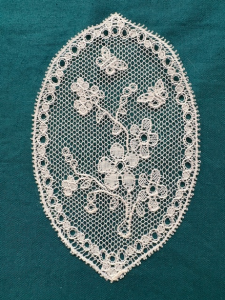
The workshop covers beginner edging, circular lace, advanced grounds, and finishing a bookmark.
Basic knowledge of Point Ground and honeycomb stitches is required.
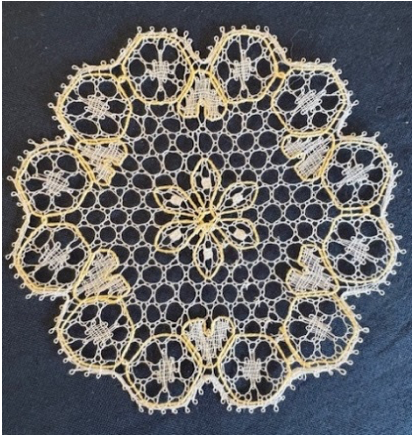
Notre Dame motif
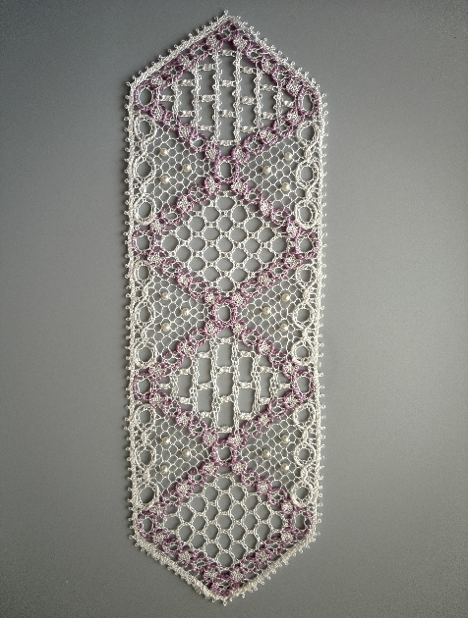
Rachel bookmark
Jenny Brandis

I have been making lace for 20 years and designing for 19 years. All my patterns are designed with Lace8.
I am a member of multiple lace organisations worldwide and have self-published patterns since 2006.
Lace8 – a Designer’s Friend
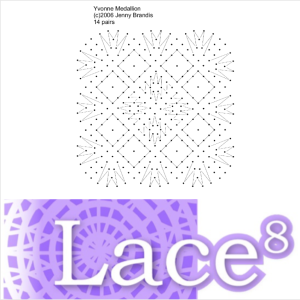
This four-day workshop explores Lace8 from installation to design creation.
Zanna Antonova
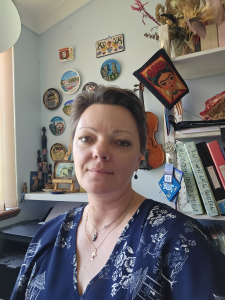
I trained in Vologda, Russia in bobbin lace design and later lived in Crete for 15 years before moving to Australia.
Russian Lace
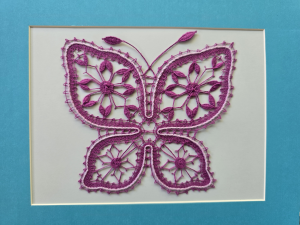
Students will learn traditional Russian lace techniques from beginner to advanced.
Rosita D’Ercoli
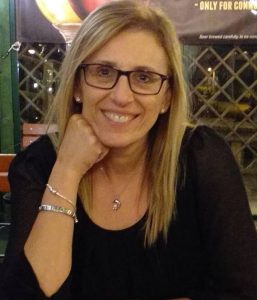
I graduated as a lace teacher in Gorizia and taught until 2017. I am also an archive researcher and editor of Fuselliamo magazine.
Goritian Flowers and Leaves
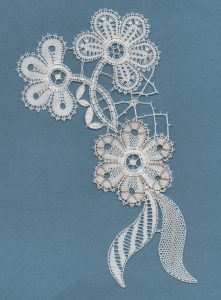
Students will learn traditional Gorizia lace techniques.